info@labolsadepapel.com

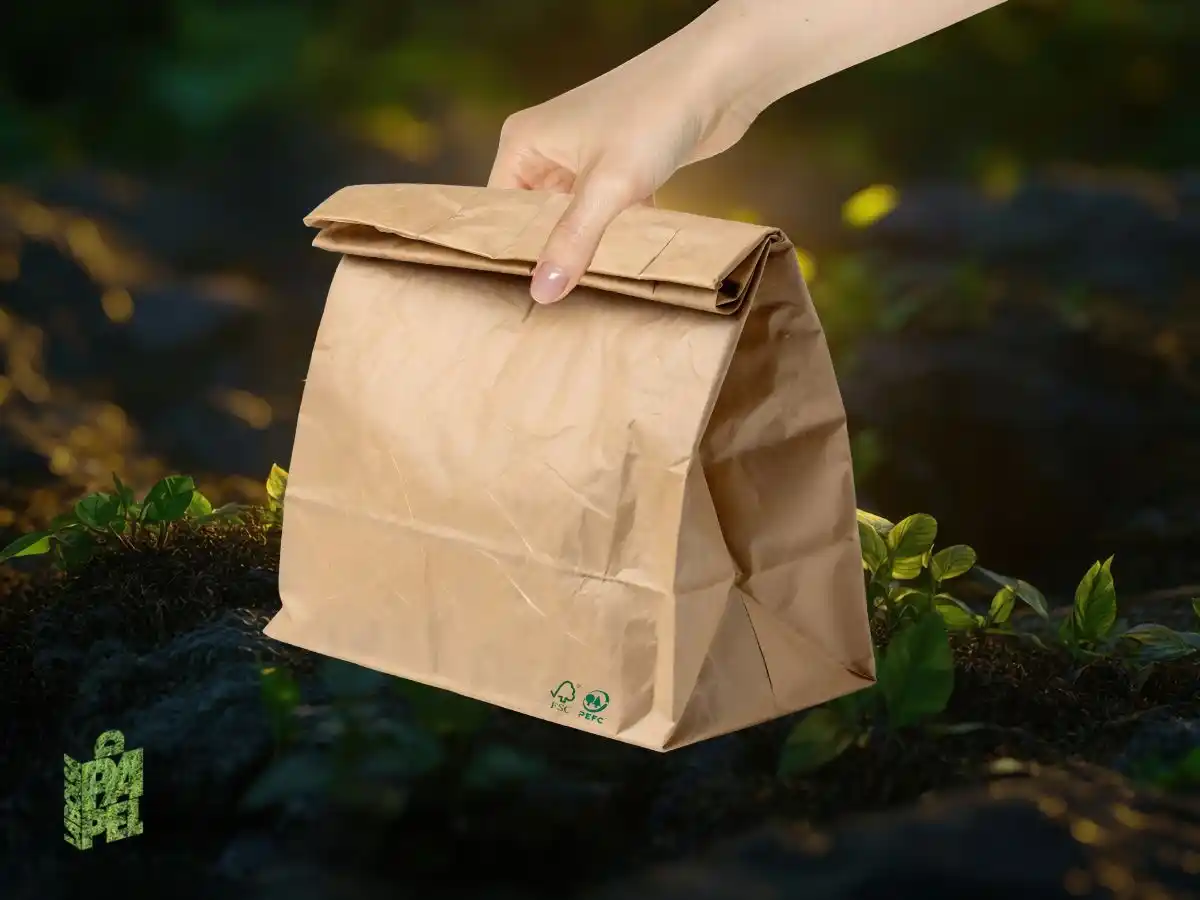
The paper bag is today a symbol of sustainability and responsible consumption. However, its evolution has not been random, but the result of the effort of paper bag manufacturers, who have taken on a key role in innovation and in the search for environmentally friendly solutions.
In this article, we will explore how these manufacturers work to ensure a sustainable future, what innovations are setting trends, and what the real impact of their decisions is on society and the circular economy.
1. Paper bag manufacturers: driving necessary change
Manufacturers are the central piece in the transformation of the packaging sector. Their work is not only about producing bags but also about leading a shift toward sustainable production models.
- Main responsibilities:
- Selecting certified and responsible raw materials.
- Adopting clean processes that reduce emissions.
- Ensuring decent working conditions across the value chain.
- Collaborating with institutions and communities to promote conscious consumption.
Every decision made by manufacturers directly impacts the environmental footprint of the bags and consumer trust.
2. Technological innovation in sustainable production
Innovation is one of the driving forces behind the future of the paper bag. Manufacturers have invested in technologies that improve efficiency, reduce waste, and ensure traceability.
Most notable technological advances:
- Closed-loop water systems that minimize consumption.
- Use of renewable energies such as biomass or solar.
- Process digitalization allowing real-time monitoring.
- Machinery optimization that reduces paper waste.
These improvements show how responsible innovation focuses not only on the product but on every stage of its life cycle.
3. Certified and recycled paper: the foundation of sustainability
The use of FSC or PEFC certified paper and recycled paper is one of the most visible guarantees of sustainability in paper bags. Manufacturers are responsible for integrating these options into their offerings to meet the growing demand from conscious consumers.
Main benefits:
- Reduction of deforestation and protection of biodiversity.
- Lower carbon footprint through the use of recycled fibers.
- Building consumer trust through verifiable certifications.
This approach ensures that the future of paper bags aligns with the principles of the circular economy.
4. Eco-design: functionality and sustainability in one gesture
Design is another area where manufacturers have made a difference. A paper bag is not just packaging — it is a product designed to be useful, durable, and reusable.
Elements of sustainable design:
- Reinforced handles and bottoms that extend their lifespan.
- Adaptable formats for different sectors: fashion, food, hospitality.
- Eco-friendly inks and adhesives that reduce harmful impacts.
- Customization options without compromising sustainability.
This balance between functionality and environmental respect is key to the future of the paper bag as a tool for responsible consumption.
5. Education and awareness: beyond production
Manufacturers do not just produce — they also educate. Many companies include recycling messages on their bags or develop awareness campaigns in collaboration with institutions and retailers.
Common actions:
- Printed messages encouraging reuse and recycling.
- Educational programs in schools and communities.
- Participation in international sustainability forums.
- Consumer incentives to promote responsible consumption.
In this way, manufacturers expand the positive impact of their work and turn each bag into an educational tool.
6. The economic and social impact of responsible innovation
Innovation in the paper bag industry not only brings environmental benefits but also generates significant economic and social impact.
Main contributions:
- Local job creation in communities where paper and bags are produced.
- Development of responsible suppliers that meet sustainability standards.
- Boosting the circular economy by giving a second life to recycled materials.
- Strengthening corporate reputation, attracting more conscious consumers.
The work of manufacturers proves that sustainability and competitiveness can go hand in hand.
7. The future of paper bags: trends and challenges
The future of paper bags will be defined by new trends that combine innovation, environmental commitment, and global collaboration.
Emerging trends:
- Alternative fibers such as hemp or bamboo to diversify raw materials.
- Greater digitalization and traceability to ensure full transparency.
- Local and distributed production that reduces transport emissions.
- Eco-design from the start, integrating sustainability into every stage.
The main challenge will be maintaining consistency between growing demand and environmental standards. Manufacturers have the opportunity to lead this change responsibly.
Responsible innovation
Responsible innovation is the key to the future of the paper bag. Through their commitment to sustainability, eco-design, and environmental education, paper bag manufacturers are paving the way toward an industry that respects the planet.
Every bag produced under responsible criteria is much more than packaging: it is a statement of principles, a symbol of the circular economy, and a tool for change.
The future of the paper bag will depend on the manufacturers’ ability to continue innovating with responsibility and purpose.