info@labolsadepapel.com

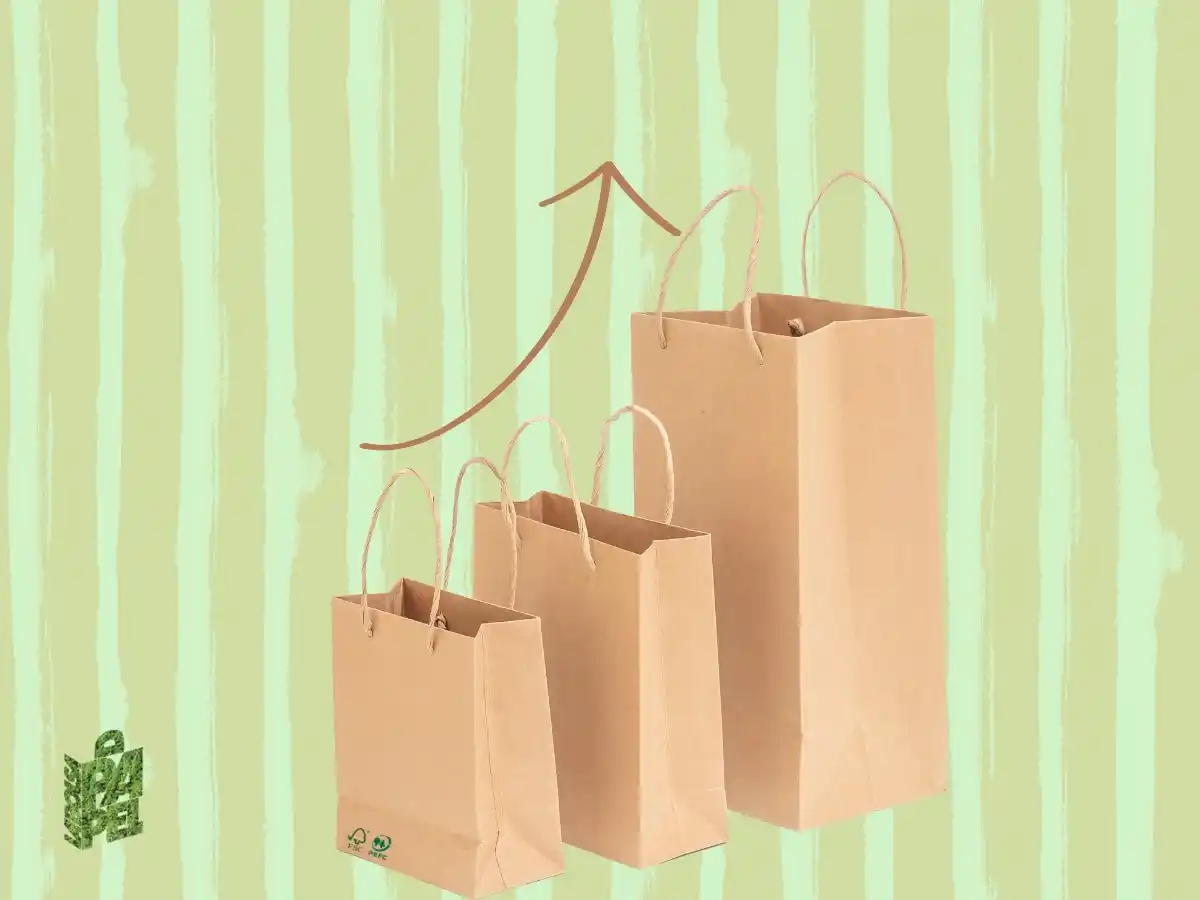
The paper bag is much more than a simple container. It represents a shift in consumption habits and a concrete tool to protect biodiversity. When we choose bags made under sustainability criteria, we support practices that preserve forests, rivers, and the wildlife that depends on them.
In this article, we explore how an everyday choice can positively impact ecosystems, from the origin of paper to its recycling within the circular economy.
1. The link between paper bags and biodiversity
Biodiversity is the foundation of life on Earth. It ensures food, clean air, drinking water, and climate stability. The use of paper bags from sustainable sources helps maintain that natural wealth.
How is a paper bag related to biodiversity?
- Responsibly managed forests: they regenerate after each harvest, ensuring habitats for plant and animal species.
- Cleaner production processes: fewer polluting emissions mean less impact on rivers, soils, and air.
- Efficient recycling: recycled paper reduces pressure on virgin forests.
Each sustainable paper bag is part of a chain that protects and fosters life at different scales.
2. Raw material: living forests that sustain ecosystems
The starting point of any paper bag is cellulose obtained from trees. The difference lies in how that extraction is managed. Forests certified under international standards such as FSC or PEFC ensure:
- Planned plantations that regenerate constantly.
- Conservation of areas with high ecological value.
- Respect for the rights of local communities and Indigenous peoples.
A responsibly managed forest not only produces timber and paper; it also keeps rivers clean, sequesters carbon, and protects wildlife. That’s why, by choosing a certified paper bag, the consumer becomes a direct ally of biodiversity.
3. Responsible production of paper bags
Sustainability does not end in the forest; it continues in factories. Today, paper bag manufacturing incorporates technological innovations that reduce environmental footprint.
Key improvements in this process:
- Renewable energy: biomass, solar, or wind.
- Closed water loops: reducing consumption and preventing polluting discharges.
- Energy optimization: lower consumption per ton of paper produced.
- Eco-friendly inks and adhesives: free from toxins that could harm aquatic or terrestrial ecosystems.
Thanks to these measures, every bag produced under responsible criteria is a step toward an industrial model compatible with nature.
4. The paper bag as an eco-friendly product and its role in the circular economy
The life cycle of a paper bag is an example of the circular economy in action. From production to recycling, it seeks to minimize waste and make the most of resources.
Advantages within this model:
- Biodegradability: a paper bag decomposes in weeks or months, reintegrating into the environment.
- Recyclability: it can be recycled up to seven times without losing quality.
- Reuse: if properly stored, it can have multiple uses.
Each recycled bag means less pressure on forests and less waste in landfills, resulting in healthier, more balanced ecosystems.
5. Conscious consumption: decisions with great impact
Consumers play an essential role in protecting biodiversity. Choosing a sustainable paper bag is a simple way to participate in environmental conservation.
Concrete actions for responsible consumption:
- Reuse bags until they are no longer useful.
- Always recycle by placing them in the appropriate container.
- Choose certified paper with recognized seals.
- Learn about the manufacturer and its environmental commitment.
The impact of these small decisions is enormous: less deforestation, less pollution, and greater protection of natural habitats.
6. Biodiversity and the responsibility of paper bag manufacturers
Paper bag manufacturers are key actors in this process. Their responsibility goes beyond production: they must ensure that each bag helps protect ecosystems.
Commitments they undertake:
- Use of certified raw materials.
- Implementation of clean technologies in their plants.
- Supply chain transparency.
- Environmental education programs for consumers and businesses.
In this way, manufacturers not only produce packaging; they also build trust and promote more sustainable market practices.
7. The future of the paper bag: innovation for biodiversity
The future of the paper bag is closely tied to innovation and biodiversity. The industry continues to research and implement improvements that further reduce its environmental impact.
Emerging trends:
- Use of alternative fibers such as bamboo or hemp.
- Eco-design from the initial phase, optimizing every resource.
- Greater digitalization to ensure complete traceability.
- International collaboration to standardize sustainable processes.
These innovations ensure that the paper bag will remain a key ally in protecting ecosystems and building a circular economy.
Small decisions that protect large ecosystems
The paper bag and biodiversity are more closely connected than they seem. From the forest to recycling, every stage of its life cycle can help protect large ecosystems.
By choosing certified bags, reusing them, and recycling them, consumers become agents of change. And when manufacturers assume their environmental responsibility, the industry becomes a driver of conservation.
Ultimately, a small decision like opting for a sustainable paper bag can make a big difference for global biodiversity.