






The Paper Bag is consumers' preferred choice
85% are concerned about the sustainability of retail bags, and 91% recommend that shops provide paper. This is what they say, what they associate, and what they are willing to do.
The best bag is the one that's good for me
and for the environment.
The Starting Point
Packaging is already part of the purchasing decision
85% of consumers state they are concerned about the sustainability of retail bags. And among those who are, 83% claim to be personally involved in environmental care: seven out of ten overall.
Offering sustainable packaging therefore goes beyond the purchased item; it also means addressing and sharing the values that matter to the consumer.
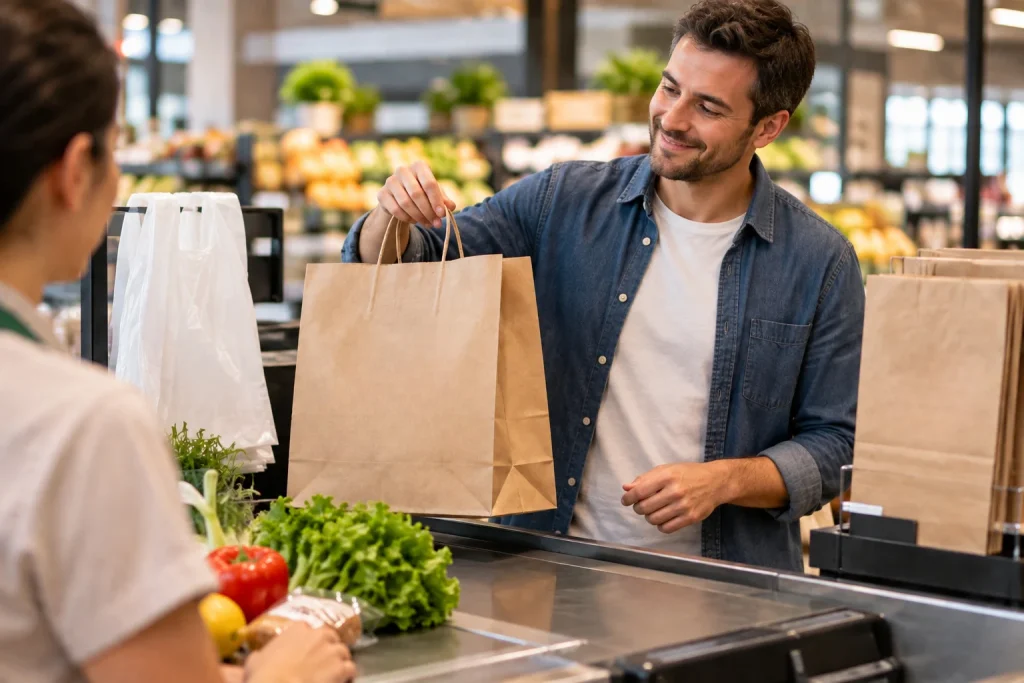
88% of consumers would like to be able to choose the packaging they use for their purchases.
Consumers and Sustainable Commitment
SOURCE: LINQ Market Research Spain.
claims to be very or quite concerned about sustainability.
states they are personally involved in environmental care.
associates the paper bag with a business committed to the environment.
The Perception
What the consumer associates with the paper bag
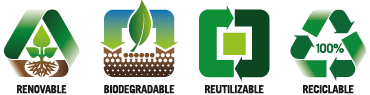
Nine out of ten associate the paper bag with environmental care and consider it biodegradable. Nearly nine out of ten see it as ecological and of natural, renewable origin.
These are perceptions declared in a survey, not measured properties. You will find the verified properties, with their sources and nuances, in the sustainability section.
Opinions Expressed in Figures
SOURCE: LINQ Market Research Spain.
believes the paper bag cares for the environment.
sees it as ecological and of natural, renewable origin.
trusts the environmental claims printed on it.
The Business
And that translates to your shop's image
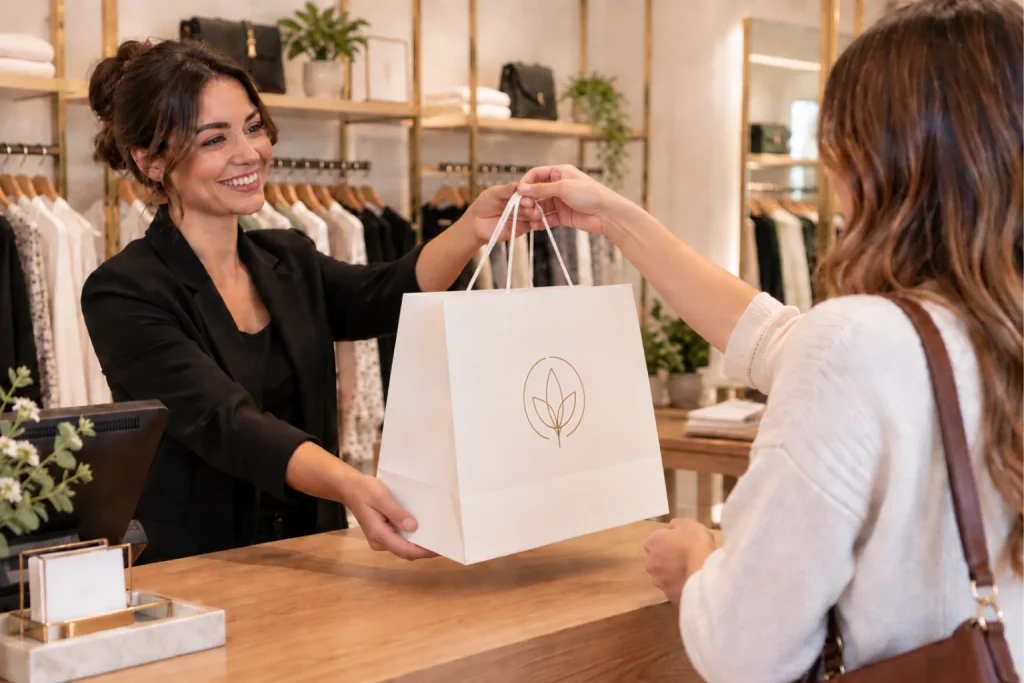
82% believe that the paper bag improves the image of the establishment that provides it. 36% directly rate these shops as excellent, achieving an average image score of 8 out of 10.
Six out of ten admit they like to carry it visibly. The bag ceases to be an expenditure item and becomes part of what you communicate.
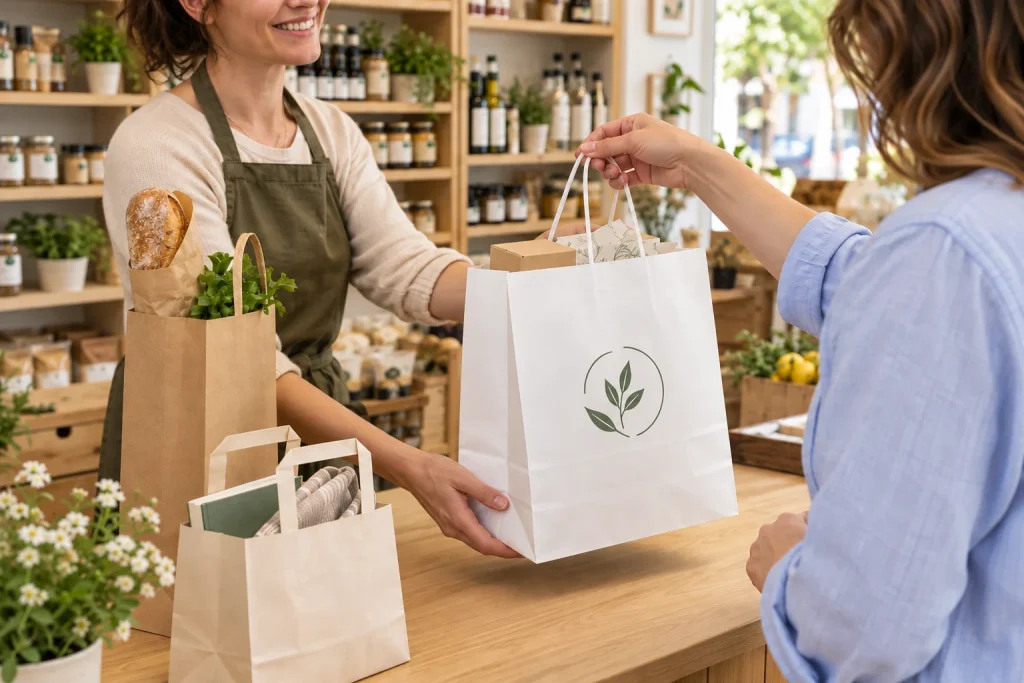
91% of consumers recommend that shops provide paper bags.
It's not a trend: it's a request.

The Choice
Consumers have already chosen
88% want to be able to choose between paper and plastic at the supermarket, and 69% would use paper for that purchase. At the same price, 70% choose paper.
And 17% state they are willing to pay more for it. This is the minority, but it sets the ceiling for what the customer accepts.
What do consumers think about the paper bag?
What citizens say
Blog
Blog articles about consumers






About Us
Who manufactures these bags?
Behind every paper bag there is much more than just a product. There are forest owners, engineers, technicians, designers, and companies that have been innovating for decades to meet the needs of the retail sector.
We are manufacturers of bags, paper, handles, inks, and machinery, united to promote sustainable consumption and innovate in service of retail and consumers.
Long before Europe promoted the new regulatory framework, the paper bag was already moving in that direction. The future doesn’t start today: it has been built over many years.