info@labolsadepapel.com

Why an Everyday Object Has Become a Strategic Decision for Responsible Brands
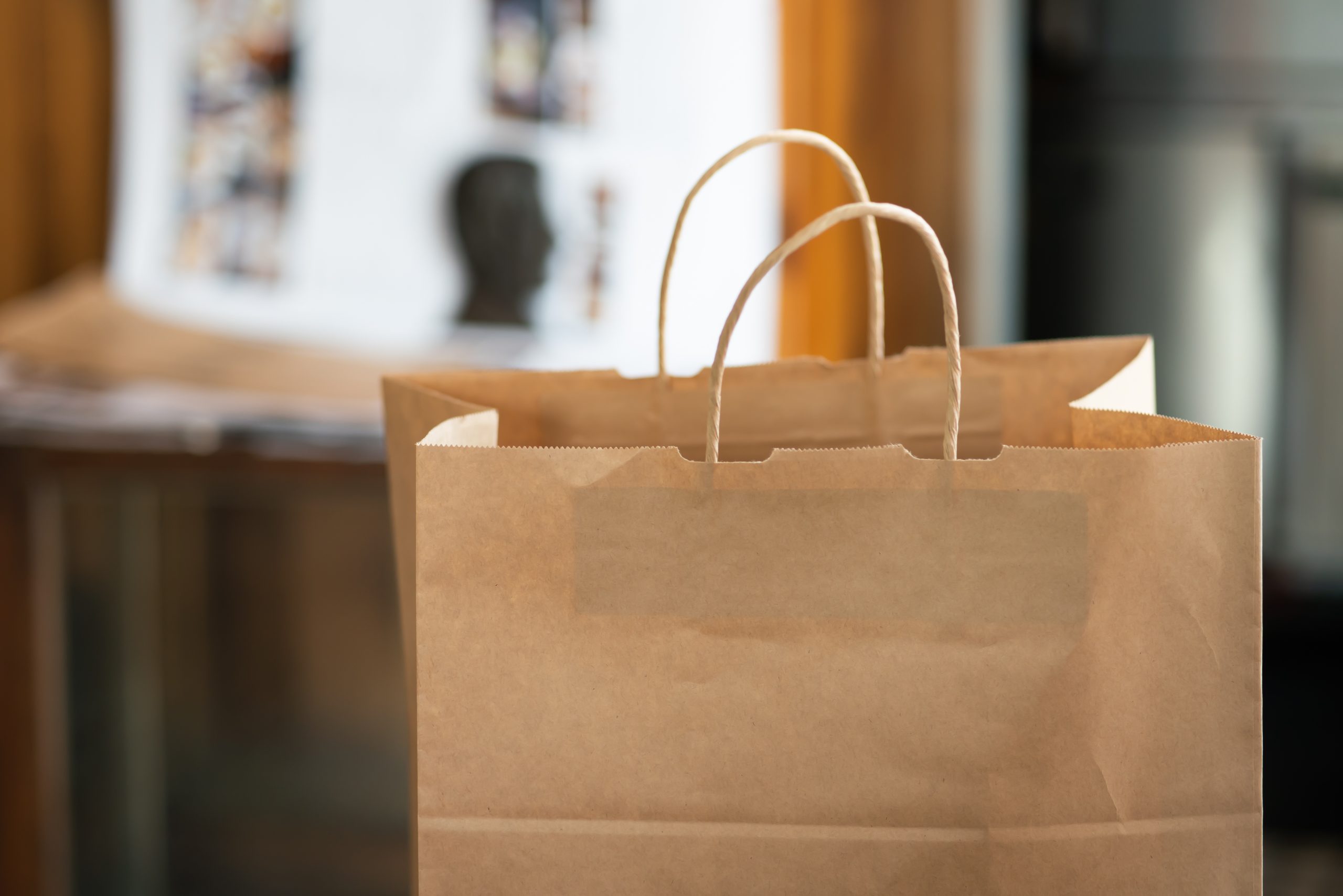
On the grand chessboard of sustainability, some moves are discreet but effective. The paper bag is one of them. An apparently simple packaging that today represents much more: environmental commitment, regulatory compliance, and emotional connection with the consumer.
At a time when European legislation accelerates change and public opinion demands consistency, the paper bag has transitioned from an alternative to a competitive advantage. And it’s no coincidence.
A New Regulatory Framework That Demands Tracing Back to the Source
Until recently, environmental policies focused on what happened at the end of a product’s life cycle: is it recycled? Where does it end up? How is the waste managed?
Today, the focus has shifted. The question is no longer just what happens to the packaging afterward, but where it comes from, how it’s made, and its environmental impact from the outset. Europe has decided to bring order, and it has done so with a robust regulatory framework that compels all industries to rethink their relationship with materials and messaging.
Key changes include:
- The EUDR Regulation (Deforestation-free products): requires that products like paper, wood, cocoa or coffee come from supply chains not linked to deforestation after 2020 — with detailed traceability down to the specific plot of land.
- The Packaging and Packaging Waste Regulation (PPWR): introduces common standards across Europe so that packaging is designed sustainably, is easily recyclable, and not dependent on fossil-based raw materials.
- The Green Claims Directive: demands that all environmental claims be verifiable, based on independent data, and understandable to the consumer — targeting misleading “greenwashing” practices.
The paper bag not only complies with these standards — it excels. It’s a well-documented material with real-world circularity and low environmental impact from origin to end-of-life.
Real Circularity, Not Just a Marketing Term
The circular economy is one of the buzzwords of this decade. But not every product that claims to be “circular” lives up to the name. The paper bag does:
- Made from cellulose fiber: a renewable, natural, and responsibly grown European resource.
- Backed by certifications like FSC and PEFC and aligned with EUDR traceability.
- More than 80% of paper bags are properly collected and recycled.
- Paper can be recycled up to 8 times without losing core material quality.
- Its recycling is part of everyday life: citizens know it goes in the blue bin — simple and familiar.
A Branding Tool with Emotional Impact
Paper bags don’t just carry goods — they carry brand values.
They are reused, kept, repurposed. They connect emotionally. And they tell a silent story of authenticity, commitment, and sustainability.
- 95% of consumers value the use of paper bags
- 63% believe it improves the image of the business
- It’s a material associated with positive memories and responsibility
For modern brands, this is gold: an everyday object that builds loyalty and tells your story — from the checkout counter to your customer’s home.
For Companies: Compliance + Strategy
Switching to paper bags is not just a compliance issue — it’s smart business:
- Fully aligned with EU regulations (EUDR, PPWR, Green Claims)
- Traceable, renewable, and low-carbon
- Familiar to consumers and well-integrated in waste systems
- Supports brand storytelling and visual identity
- Avoids reputational risk tied to greenwashing
And best of all? It’s scalable and adaptable across sectors: retail, fashion, food, cosmetics, delivery services…
Conclusion: A Small Gesture, A Big Statement
Sustainability is no longer optional — it’s expected.
The paper bag is more than packaging. It’s a visible act of responsibility, a decision that aligns what your brand says with what it does.
And that’s exactly what the consumer values in 2024 and beyond.
Sometimes, the biggest transformations begin with the simplest choices. Like saying:
“Yes, I’ll take a paper bag.”