








When we talk about leaving a footprint, we usually think about what remains after we have passed. But when it comes to the products we use every day, the story begins much earlier.
Before reaching our hands, every product has already travelled a long way. It has an origin, raw materials, a transformation process and a supply chain that has brought it to us. All of this forms part of its story and also influences the decisions we make when choosing it.
That is why leaving a positive footprint begins long before we use something.
Looking at Where Things Come From
For a long time, we have bought and used products mainly focusing on their immediate function. We wanted to know whether they performed the task they were designed for.
Today, we know that this is no longer enough.
The origin of materials matters. So does whether those resources can be renewed, how they are managed and their relationship with the environment from which they come.
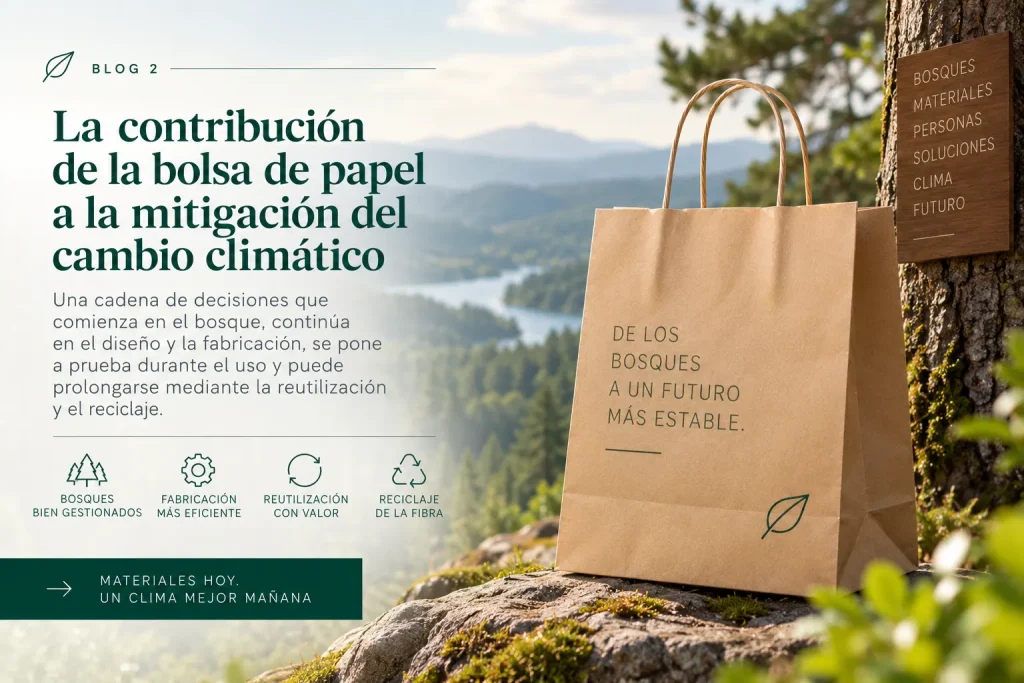
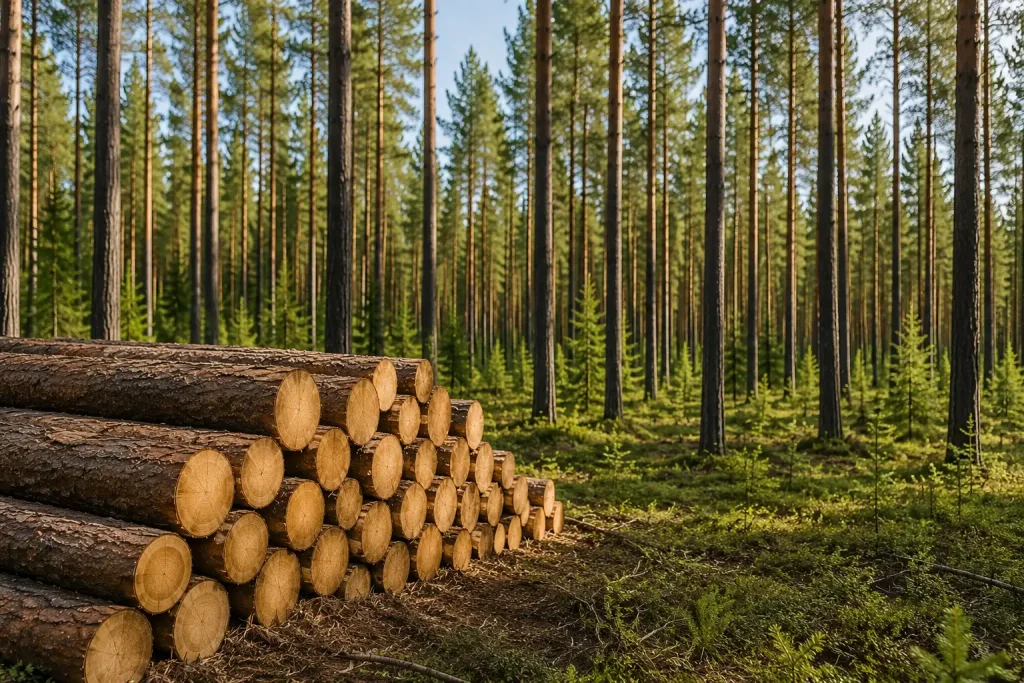
In the case of paper, everything begins with a raw material of natural origin: cellulose fibre obtained from wood. When that wood comes from responsibly managed forests, behind every paper bag there is also a forestry supply chain that must be known and monitored.
We do not see any of this when we receive a bag in a shop. But it is part of its story.
How We Get Here Also Matters
There are many stages between the origin of a raw material and the final product.
Manufacturing, resource consumption, the energy required to transform materials, transport and process efficiency are all part of that journey.
That is why sustainability cannot be reduced to an image, a colour or a word printed on a product. It requires looking at its entire story.
For years, the paper industry has been making progress in improving its processes, using resources more efficiently and recovering materials. This effort is part of a transformation affecting the entire value chain.
And it is also changing the way businesses, retailers and consumers make their decisions.
Choosing Means Taking Part
Choosing one bag over another may seem like a small decision.
But many important transformations begin precisely there: with millions of everyday decisions that determine which materials we put into circulation, which production systems we support and which products ultimately reach the market.
Retailers play a particularly important role.
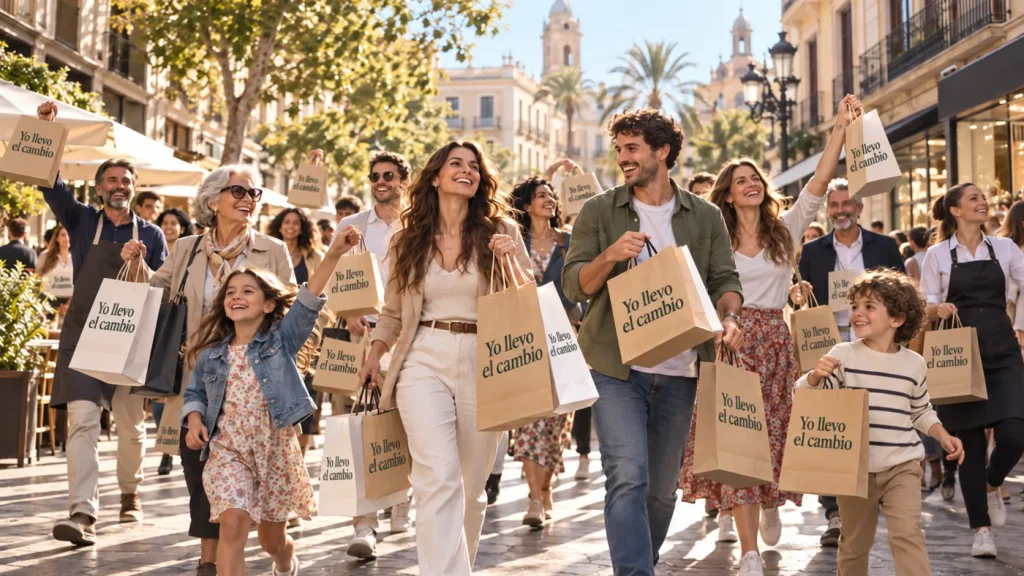
A bag is one of the last things a shop gives to its customers and, at the same time, one of the few items that leaves the establishment with them. It forms part of the service, the shopping experience and the image the business projects beyond its doors.
Choosing a bag therefore means much more than simply finding a way to carry a purchase.
A Story That Has Not Yet Ended
However, knowing the origin of a product only explains part of its journey.
Then come its use, possible reuse, collection and the destination of its materials once it no longer fulfils its original purpose.
Because a positive footprint does not depend solely on how a story begins.
It also depends on how it continues.